Do We Still Take Notes on Paper?
By James Auble
Jan 14, 2026
Somewhere between cloud sync errors and low-battery warnings, the humble notebook keeps surviving.
Despite living in a world of productivity apps, tablets, and devices that talk to each other constantly, paper refuses to disappear. Not because it’s efficient—but because it feels right.
✍️ The Quiet Power of Writing Things Down
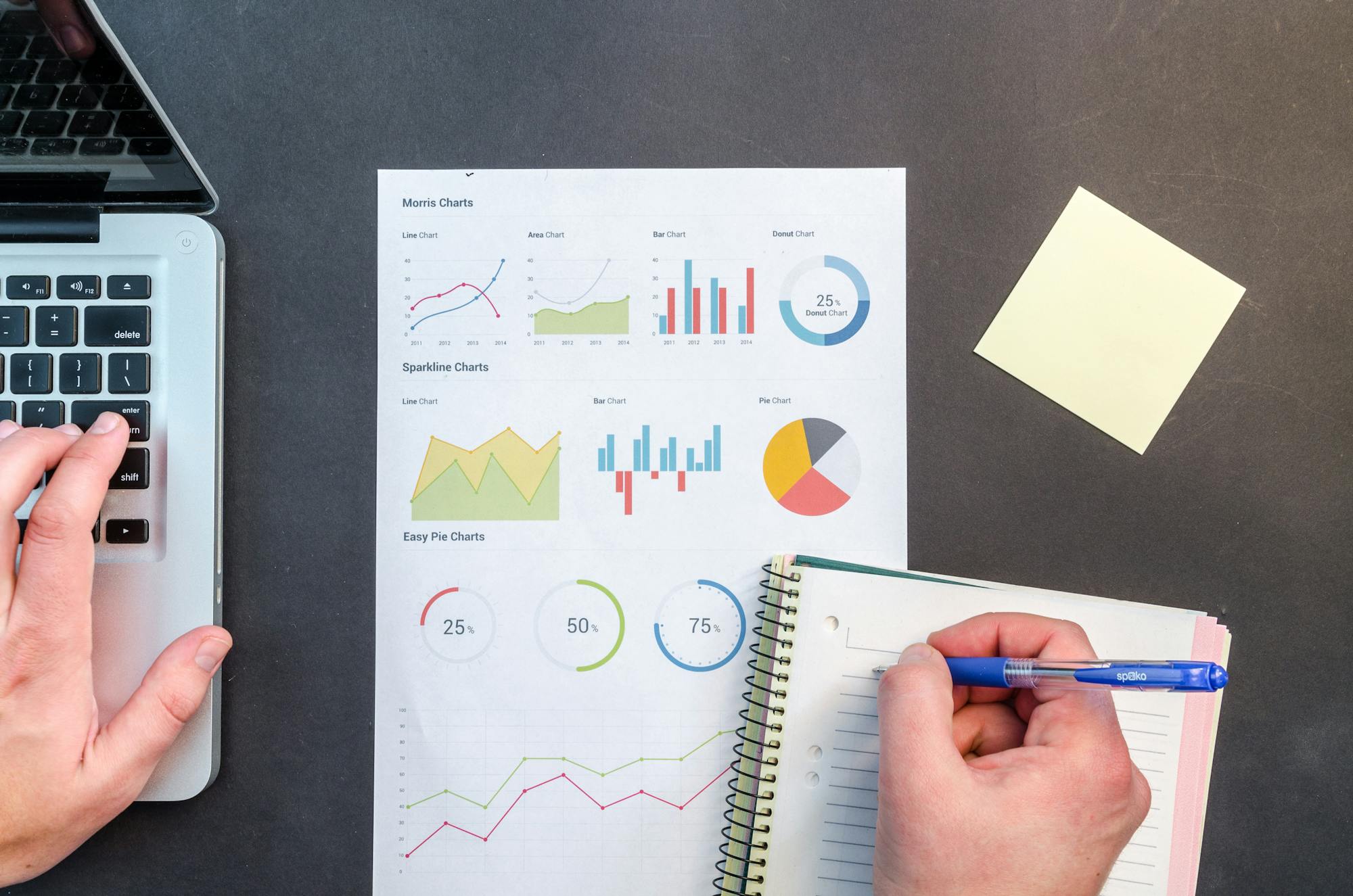
There’s something deeply satisfying about putting ink on paper.
You might have:
- A favorite pen that glides just right
- A notebook you don’t want to waste on bad ideas
- A habit of rewriting tasks just to think them through
Writing slows you down in a good way. It forces clarity. You can’t copy-paste your thoughts—you have to commit to them.
For many people, paper isn’t about storage. It’s about thinking.
📱 The Rise of Fully Digital Brains

On the other end of the spectrum are people who live entirely inside devices—and do it well.
For them, paper feels:
- Fragile
- Disorganized
- Impossible to search
Digital note-takers value speed, structure, and retrieval. Everything is tagged, synced, and backed up. Ideas move fluidly between projects, devices, and years.
Commonly used productivity and note-taking apps include:
- Notion – flexible, all-in-one systems
- Obsidian – linked notes and knowledge graphs
- Apple Notes – simple, fast, and always there
- Evernote – long-form storage and organization
- OneNote – structured notebooks with depth
For these users, the notebook is the system—and it lives in the cloud.
🧠 Paper vs Digital: What’s Really Different?

The difference isn’t just preference—it’s cognitive.
Paper tends to be:
- Better for brainstorming
- Better for memory and retention
- Better for sketching ideas that aren’t fully formed
Digital tends to be:
- Better for long-term storage
- Better for complex systems
- Better for collaboration and reuse
That’s why many people quietly use both—even if they claim loyalty to one side.
📒 Analog Alternatives That Still Work

For those who lean analog, there’s still variety:
- Plain notebooks for free-form thinking
- Bullet journals for task tracking
- Index cards for ideas you want to rearrange
- Daily planners that impose gentle structure
Paper doesn’t nag you. It doesn’t update. It just waits.
And sometimes that’s exactly what you need.
🧩 So… Are We Done With Paper?
Not even close.
Paper survives not because it’s modern, but because it’s human. It gives your hands something to do while your brain figures things out. It absorbs half-baked ideas without judgment.
At the same time, digital tools aren’t going anywhere. They’re too useful, too powerful, too integrated into how work actually happens.
The real productivity move isn’t choosing sides—it’s knowing when to switch.
Whether you’re a pen loyalist, a productivity-app maximalist, or someone quietly juggling both, note-taking is less about tools and more about attention.
Sometimes the best system is the one that makes you pause, think, and write the thing that actually matters.
Ink or pixels—whatever gets you there.